

Europol, the European Labour Authority (ELA), and 34 participating countries today announced the results of an action week targeting human trafficking for labour exploitation. The operation, part of an EMPACT action led by Sweden, brought together police, border guards, labour and social security inspectorates, and tax authorities to crack down on exploitative practices in high-risk sectors such as agriculture, construction, cosmetic services, massage parlours, and hospitality.
The operation took place between 14 and 20 September 2026 and focused on labour exploitation. Authorities also uncovered cases of trafficking for sexual exploitation, forced begging, and domestic servitude, highlighting the widespread nature of human trafficking across Europe.
Magnus Brunner
European Commissioner for Internal Affairs and Migration
Only days after we presented the new EU Strategy on combatting trafficking in human beings, this operation shows why it matters. While humans should not be for sale, exploitation is happening in buildings, shops, and restaurants we pass every day. More than 16 000 officers across Europe did outstanding work to uncover it and to protect victims. We want to strengthen them further, with a reinforced Europol mandate and by going after the profits of ruthless criminals.
Jürgen Ebner
Acting Executive Director of Europol
This operation demonstrates the critical role of multi-agency collaboration in dismantling trafficking networks. It is the first result of the Working Arrangement between Europol and the European Labour Authority to step up our joint fight against labour exploitation, human trafficking, and cross-border social security fraud. The scale of exploitation uncovered underscores the need for continued vigilance and coordinated action.
Cosmin Boiangiu
Executive Director of ELA
Labour exploitation thrives in sectors with weak oversight. By targeting high-risk industries and empowering labour and social security inspectorates and their work with other law enforcement organisations, we can address the most serious violations of working conditions linked to posting of workers and labour mobility and eventually support to disrupt these criminal networks. These joint inspections demonstrate the strengthened cooperation with Europol.
Key figures
- 27 arrests (74% male), including suspects from Hungary, Vietnam, Montenegro, and the Netherlands. In addition, 86 persons were arrested for crimes other than trafficking in human beings.
- 248 potential victims identified (73% male), predominantly from Vietnam, China, India, and the Philippines.
- 182 new trafficking investigations opened, alongside 86 arrests for related crimes (e.g. illegal employment, prostitution).
- 16 031 officers participating.
- 137 810 entities checked, including inspections of individuals, locations, vehicles, and documents.
Highlighted cases and findings
- Austria: Police investigated parents exploiting their children for forced begging, a case uncovered during inspections of local businesses.
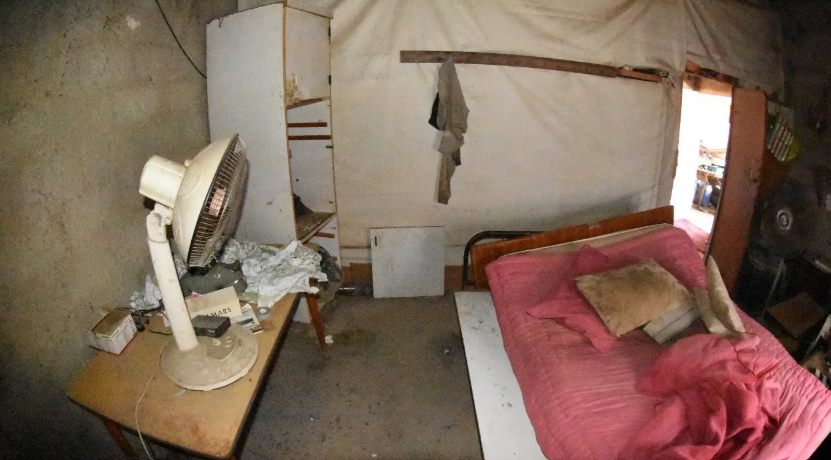
- Cyprus: Authorities uncovered a livestock farm worker living in squalid conditions, forced to work 10-hour days with no pay or days off. The suspect withheld the victim’s passport, provided inadequate food (flour, tea, sugar, and oil), and subjected him to degrading living conditions (leaking bedroom, outdoor bathroom, only cold water).